Upgrade Your Property With Professional Fence Installation
Enhancing a property via professional fence installation is a sensible option for property owners. Fences not only enhance security and privacy but also enhance the overall aesthetic value of a property. With various styles and materials available, choosing the ideal option can feel overwhelming. Familiarizing oneself with the advantages and processes can render this project far more approachable. What elements should one evaluate to confirm the investment is a sound one?
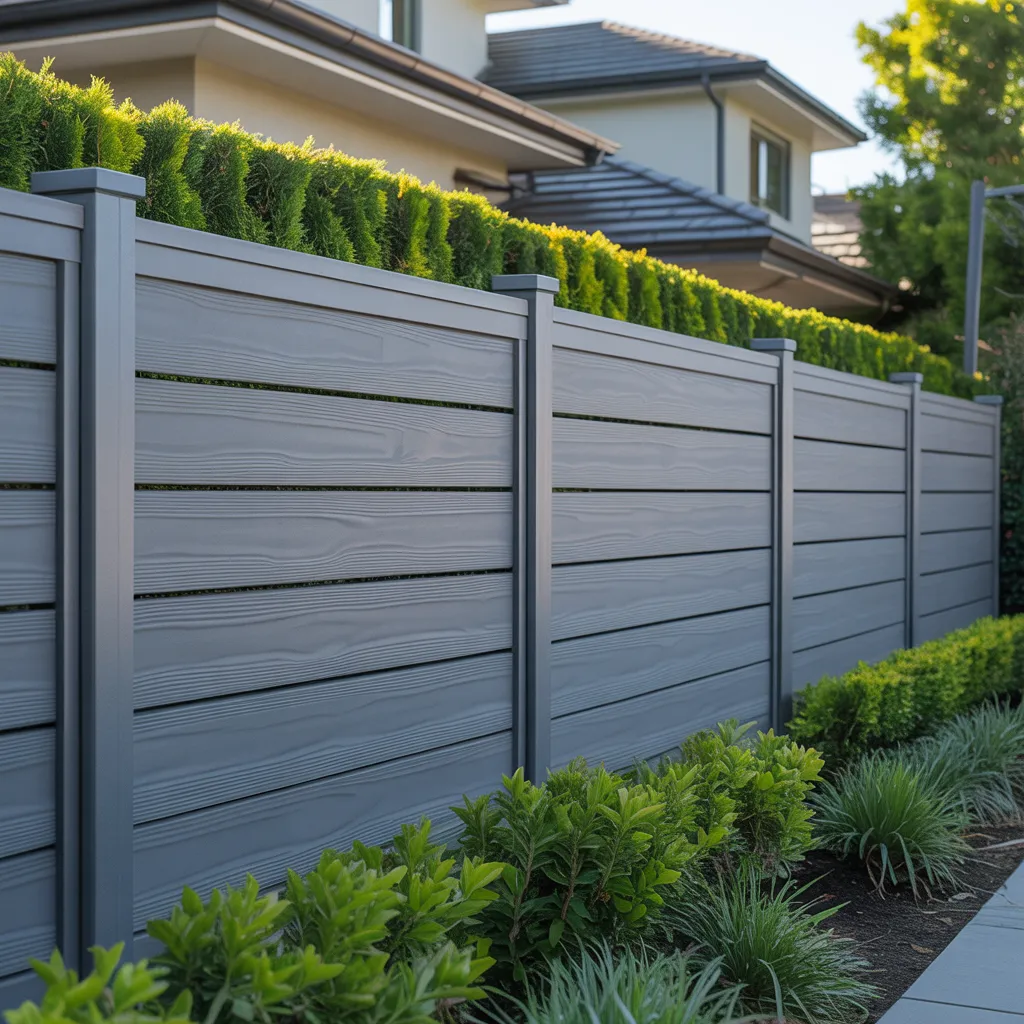
What Are the Benefits of Investing in a Professional Fence for Security and Aesthetics?
When property owners think about improving their home, investing in a professional fence addresses both safety and visual appeal. A well-installed fence acts as a formidable barrier, discouraging trespassers and offering reassurance. It establishes a clear boundary, keeping children and pets safe while increasing privacy.
Beyond security, the use of design and materials can considerably improve a property's curb appeal. A professionally installed fence enhances the residence's architectural character, creating a cohesive look that enhances visual appeal. Premium materials and skilled craftsmanship provide lasting strength, minimizing ongoing upkeep expenses.
In addition, a fence can elevate property value, making it a strategic investment. Homebuyers often view well-defined outdoor spaces as desirable features, which can lead to faster sales and higher offers. All things considered, a professional fence installation not only strengthens safety but also transforms the overall look of a property, making it a valuable investment for home owners.
Trending Fence Styles to Improve Curb Appeal
When thinking about fence installation, numerous styles can significantly enhance a property's visual appeal. Traditional wooden fences provide timeless elegance, while elegant vinyl options provide durability and low maintenance. For a contemporary look, modern metal designs deliver both style and strength, catering to diverse aesthetic preferences.
Traditional Wood Fences
Traditional wooden fences serve as an enduring option for property owners looking to improve their property's curb appeal. Their natural appearance enhances various architectural styles, ranging from classic to contemporary. Offered in many styles, including picket, board-on-board, and shadowbox, wooden fencing can be adapted to fit individual preferences and landscaping. The rich hues of wood provide a rustic charm that can soften the aesthetic of any property, fostering a warm and welcoming setting. Furthermore, these fences offer seclusion while allowing for ventilation and light. Through regular upkeep such as staining and sealing, wood fences can endure for many years, cementing their status as a worthwhile investment. At their core, they act as both a useful boundary and a visually appealing element that enhances the complete visual appeal of a home.
Premium Vinyl Alternatives
As homeowners increasingly seek low-maintenance solutions without sacrificing style, stylish vinyl fencing has become a preferred selection to elevate the look of any property. These fences are available in various designs, featuring timeless picket looks and streamlined privacy barriers, giving homeowners the freedom to align with their preferred look effortlessly. Vinyl fences resist fading, warping, and corrosion, ensuring durability and long-term beauty. Offered in a diverse range of shades and surface styles, they can mimic the appearance of wood or offer a modern finish. Additionally, their smooth surfaces are easy to clean, making them practical for busy lifestyles. By opting for stylish vinyl fencing, homeowners can achieve a refined look while enjoying the benefits of minimal upkeep and high resilience.
Contemporary Metal Designs
Horizontal slats, geometric patterns, and combined materials have grown in popularity, generating visual appeal and a contemporary aesthetic. Moreover, metal fences can serve practical purposes, such as offering security while maintaining style. Certain homeowners opt for aesthetic additions, like laser-cut motifs, to add a unique touch. Ultimately, modern metal fencing not only enhances visual appeal but also contributes to a property's value and longevity.
Selecting the Best Fence Material for Your Requirements
Selecting the appropriate fence material is essential for both functionality and aesthetics. Options such as wood, vinyl, and metal each offers distinct advantages that cater to different needs and preferences. Being aware of these benefits allows homeowners to make well-informed decisions for their fencing projects.
Wood Fence Benefits
Wood fencing offers a traditional appeal that elevates the beauty of every property while offering a range of functional advantages. Among its greatest strengths is flexibility; wood can be customized in multiple designs, heights, and stains to suit different architectural designs. Furthermore, wood functions as an effective insulator, contributing to noise reduction and increased privacy. Wood is also eco-friendly, positioning it as a green alternative compared to synthetic materials. With routine upkeep, wood fences offer lasting performance, combining long-lasting strength with aesthetic charm. Moreover, wood panels are straightforward to repair or renew, offering homeowners an economical option over time. Ultimately, wood fencing improves curb appeal and meets everyday functional needs, making it a top selection for countless property owners.
Durability of Vinyl Fences
Vinyl fencing emerges as a durable alternative to traditional wood options. Known for its resistance to decay, rot, and insect damage, vinyl provides long-lasting protection without the need for regular maintenance. As opposed start here to wood, which is prone to warping and splintering, vinyl preserves its structural strength and visual appeal regardless of severe weather. The material additionally offers UV resistance, protecting against sun-induced fading and discoloration. Furthermore, vinyl fences are available in numerous styles and colors, giving homeowners the freedom to pick designs that suit their home. Even though the initial investment may surpass that of wood, the longevity and minimal upkeep of vinyl fencing make it a cost-effective choice in the long run. In summary, vinyl fencing represents a functional and sturdy choice for improving any property.
Metal Selections Explained
When evaluating fencing options, metallic options like aluminum and steel provide durable solutions suited to a range of requirements. Aluminum is lightweight, resistant to corrosion, and requires minimal maintenance, rendering it highly suitable for residential use. It offers a visually appealing choice that suits numerous architectural designs. In contrast, steel is renowned for its robustness and lasting quality, rendering it ideal for installations that prioritize security. It endures severe weather conditions and physical force, providing enduring protection. Nevertheless, steel might need periodic upkeep to avoid corrosion. In the end, the decision between aluminum and steel depends on elements like cost, preferred aesthetics, and particular functional needs. Understanding these distinctions can greatly enhance property value while meeting personal preferences.
Top 5 Benefits of Professional Fence Installation
Even though many homeowners contemplate a DIY method for fence installation, selecting professional installation delivers notable advantages. For starters, professionals bring expertise and experience, guaranteeing that the fence is installed correctly and efficiently. Furthermore, professionals typically have access to premium materials and equipment, producing a long-lasting and visually appealing result. Beyond that, professional installation can save homeowners time, allowing them to focus on other priorities rather than maneuvering through a complex project. In addition, experts can provide valuable advice on design and placement, tailoring the fence to meet specific needs and local regulations. Finally, many professional services offer warranties, providing peace of mind regarding the longevity and quality of the installation. In summary, choosing professional fence installation not only boosts property value but also ensures a stress-free experience for the homeowner.
What to Anticipate During Fence Installation
Knowing about the fence installation process empowers homeowners to get ready for the transformation of their outdoor space. Typically, the process begins with an inspection of the property, where skilled contractors examine the area and review design options. Subsequently, homeowners can look forward to the boundary marking, securing compliance with local codes and neighbor agreements.
Once preparations are complete, the installation crew will start digging post holes and fastening the fence panels or boards. Concrete may be used during this phase for greater stability. Property owners need to be prepared for possible noise and disturbance during this period, as equipment and tools will be actively utilized.
In conclusion, the crew will conduct a thorough inspection to ensure all components are properly aligned and stable. After the installation has been completed, homeowners will be provided with instructions regarding any immediate maintenance needs. Altogether, having knowledge of this process encourages a more effortless experience and improves overall contentment with the new fence installation.
How to Maintain Your New Fence
After the successful installation of a new fence, appropriate maintenance becomes crucial to ensure its durability and visual appeal. Routine care is important, commencing with regular examinations for signs of wear, such as rotting wood or rusted metal. Washing the fence a minimum of once annually aids in eliminating grime and buildup, ensuring it remains visually appealing. For wooden fences, applying a protective sealant or stain every few years works to shield against dampness and ultraviolet wear. Metal fences may benefit from a coat of rust-resistant paint to ward off corrosion. Furthermore, cutting back plants that grow near the fence can prevent pests and decay. It remains critical to resolve problems in a timely manner, because overlooking issues can cause greater damage in the future. By adhering to these maintenance guidelines, property owners can appreciate their new fence for decades while maintaining its strength and beauty.
Working Alongside Fence Installation Specialists
When property owners choose to improve their home with a new fence, collaborating with experienced installation professionals can greatly simplify the process. These specialists provide important insight into materials, design alternatives, and local requirements, making certain that the project matches the homeowner's expectations and adheres to zoning laws.
Prior to beginning, it's advantageous for property owners to clearly communicate their preferences, including the desired height, style, and purpose of the fencing. Expert contractors can then deliver personalized suggestions, helping to avoid common pitfalls.
Moreover, arranging a consultation allows for an analysis of the property, detecting any potential challenges such as rough terrain or established landscaping elements.
Budgeting for Your Fence Installation Project
Determining costs for a fence installation project requires careful consideration of multiple factors that may affect total expenses. For starters, the selection of materials is a key factor; each material, including wood, vinyl, and metal, varies in cost and maintenance demands. Additionally, the dimensions and layout of the property must be considered, because bigger or unusually shaped lots can necessitate more work and resources.
Labor expenses can differ significantly based on regional pricing and the skill level of the installation crew. Homeowners need to account for permits and local zoning ordinances, which can result in additional charges. Additionally, establishing a reserve fund for unforeseen costs is recommended. Through a thorough analysis of these components, homeowners can develop a practical budget that suits their financial situation while guaranteeing the placement of a high-quality fence that improves their property.
Common Questions and Answers
How Much Time Does a Standard Fence Installation Require?
A typical fence installation can take anywhere from one to several days, based on factors including the fence type, the terrain, and the overall property size, as well as weather conditions that can impact the overall schedule.
Can I Install a Fence on My Own?
Yes, an individual can set up a fence on their own. That said, it requires meticulous planning, appropriate tools, and an understanding of local rules. Success copyrights on the homeowner's capabilities and dedication to the project.
What Permits Are Required for Fence Installation?
Local regulations typically require permits before installing a fence, depending on the local jurisdiction. Homeowners should consult their city or county zoning authority to understand the exact regulations, including property boundary rules, height limitations, and applicable HOA regulations that might be in effect.
Does My Fence Influence My Property Value?
A well-designed fence can increase property value by enhancing curb appeal and offering privacy, while neglected or unsightly fences may diminish it. Overall, quality and design greatly influence the perceived worth of a property.
How Can I Select a Trustworthy Fence Contractor?
To select a trustworthy fence contractor, one should review feedback, confirm qualifications, obtain several estimates, and review completed projects. Ensuring clear communication and understanding of terms will additionally strengthen the process of making an informed choice.